

What is the importance of grounding a rubber cable?
As a seasoned supplier of rubber cables, I've witnessed firsthand the critical role that grounding plays in ensuring the safety and efficiency of electrical systems. In this blog post, I'll delve into the significance of grounding a rubber cable, exploring its benefits, the science behind it, and why it's a non - negotiable aspect of electrical installations.
The Basics of Grounding
Before we explore the importance of grounding a rubber cable, it's essential to understand what grounding means. Grounding, also known as earthing, is the process of connecting an electrical circuit or device to the earth. This connection provides a safe path for electrical current to flow in the event of a fault, such as a short - circuit or an insulation breakdown.
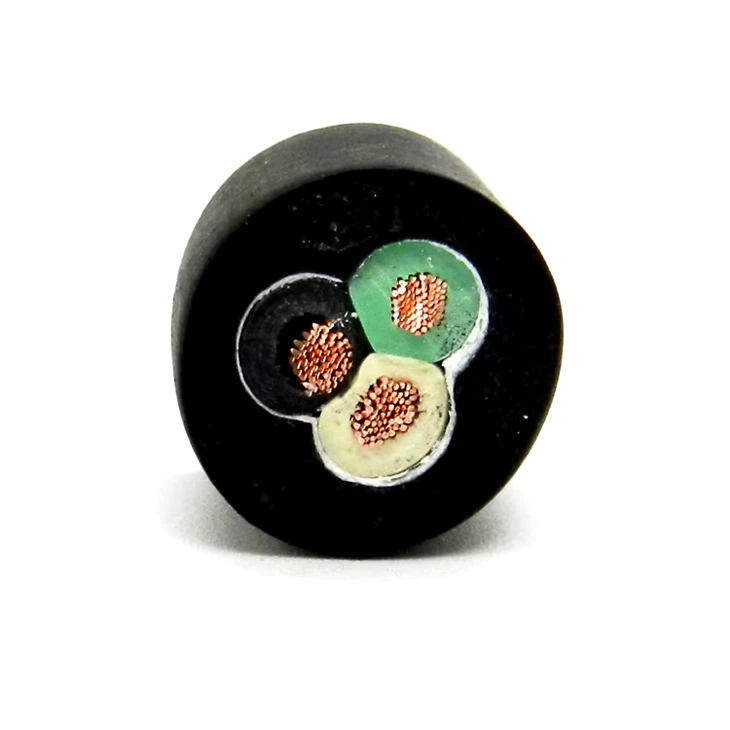
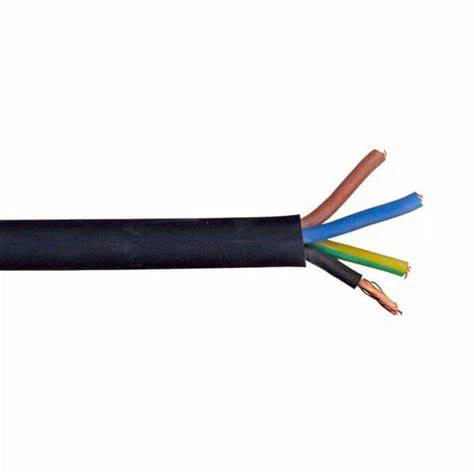
In the context of rubber cables, grounding is achieved by including a grounding conductor within the cable assembly. This conductor is typically made of copper or another highly conductive material and is connected to the earth at both ends of the cable run. When a fault occurs, the grounding conductor provides a low - resistance path for the electrical current, diverting it away from people and equipment and into the ground.
Safety First: Protecting People and Property
One of the primary reasons for grounding a rubber cable is to protect people and property from electrical hazards. Electrical shocks can be fatal, and even non - lethal shocks can cause serious injuries, such as burns, muscle contractions, and cardiac arrest. By providing a safe path for electrical current to flow in the event of a fault, grounding helps prevent these dangerous situations.
For example, in industrial settings where rubber cables are commonly used, workers are often in close proximity to electrical equipment. If a rubber cable is not properly grounded and a fault occurs, the electrical current could flow through the equipment and into the worker's body, causing a severe electrical shock. However, if the cable is grounded, the current will flow through the grounding conductor and into the ground, minimizing the risk of injury.
Grounding also helps protect property from electrical fires. Electrical faults can generate excessive heat, which can ignite nearby flammable materials. By providing a low - resistance path for the electrical current, grounding helps prevent the buildup of excessive heat and reduces the risk of fire. This is particularly important in environments where rubber cables are used in close proximity to combustible materials, such as in warehouses or manufacturing facilities.
Equipment Protection and Longevity
In addition to protecting people and property, grounding a rubber cable also helps protect electrical equipment. Electrical faults can cause damage to equipment, such as motors, generators, and control panels. By providing a safe path for the electrical current, grounding helps prevent damage to these components and extends their lifespan.
When a fault occurs in an electrical system, the electrical current can cause overheating, arcing, and other forms of damage to the equipment. If the rubber cable is properly grounded, the current will flow through the grounding conductor and into the ground, reducing the amount of current flowing through the equipment and minimizing the risk of damage. This not only saves money on equipment repairs and replacements but also helps ensure the reliable operation of the electrical system.
Ensuring Electrical System Performance
Grounding a rubber cable is also essential for ensuring the proper performance of an electrical system. In a properly grounded electrical system, the electrical current flows smoothly and efficiently, without any unwanted fluctuations or interference. This helps maintain the stability of the electrical supply and ensures that electrical equipment operates at its optimal performance level.
Without proper grounding, electrical systems can experience a variety of problems, such as voltage fluctuations, electromagnetic interference (EMI), and radio - frequency interference (RFI). These problems can cause malfunctions in electrical equipment, such as computers, communication systems, and control devices. By providing a stable electrical reference point, grounding helps minimize these problems and ensures the reliable operation of the electrical system.
Different Types of Rubber Cables and Grounding
At our company, we offer a wide range of rubber cables, each designed for specific applications. Let's take a look at how grounding applies to some of our popular cable types.
- SOOW SJOOW Power Cable: The SOOW SJOOW Power Cable is commonly used in industrial and commercial applications. These cables are often exposed to harsh environments, including moisture, chemicals, and mechanical stress. Grounding is crucial for these cables to protect against electrical faults that can occur due to wear and tear or environmental factors.
- VDE H07RN - F Rubber Cable: The VDE H07RN - F Rubber Cable is widely used in Europe for portable electrical equipment. Given its use in portable applications, grounding is essential to protect users from electrical shocks. The grounding conductor in these cables provides an extra layer of safety when the equipment is being moved around and used in different locations.
- H07RN - F Industrial Cable: The H07RN - F Industrial Cable is designed for heavy - duty industrial use. In industrial settings, there are often multiple electrical devices connected to the same power source. Grounding these cables helps prevent electrical interference between different devices and ensures the proper functioning of the entire electrical system.
The Science Behind Grounding
The concept of grounding is based on the principles of electrical conductivity and Ohm's Law. Ohm's Law states that the current flowing through a conductor is directly proportional to the voltage applied across it and inversely proportional to its resistance. In a grounded electrical system, the grounding conductor provides a low - resistance path for the electrical current.
When a fault occurs, the electrical current will follow the path of least resistance. Since the grounding conductor has a much lower resistance than the human body or other electrical components, the current will flow through the grounding conductor and into the ground. This effectively diverts the current away from dangerous paths and protects people and equipment.
Compliance with Electrical Codes and Standards
Another important aspect of grounding a rubber cable is compliance with electrical codes and standards. Electrical codes and standards are established to ensure the safety and reliability of electrical installations. These codes specify the requirements for grounding, including the size and type of grounding conductors, the method of connection, and the frequency of testing.
Failure to comply with these codes and standards can result in serious consequences, such as fines, legal liability, and insurance issues. By ensuring that rubber cables are properly grounded, we help our customers meet these requirements and avoid these potential problems.
Conclusion and Call to Action
In conclusion, grounding a rubber cable is of utmost importance for safety, equipment protection, electrical system performance, and compliance with electrical codes and standards. As a trusted supplier of rubber cables, we are committed to providing our customers with high - quality cables that are designed and manufactured to meet the highest safety and performance standards.
If you are in the market for rubber cables for your electrical projects, we invite you to reach out to us. Our team of experts can help you select the right cable for your specific needs and ensure that it is properly grounded. Contact us today to start the conversation about your cable requirements and let us help you find the perfect solution for your electrical systems.
References
- National Electrical Code (NEC)
- International Electrotechnical Commission (IEC) standards
- IEEE Standards for Electrical Safety in the Workplace