

Hey there! As a supplier of New Energy Cable, I've been getting a ton of questions lately about the insulation performance of these cables. So, I thought I'd take a moment to break it down for you all.
First off, let's talk about why insulation is such a big deal when it comes to new energy cables. In the world of new energy, whether it's solar power, electric vehicles, or other green energy applications, cables are constantly exposed to all sorts of harsh conditions. They might be out in the sun, dealing with high temperatures, or even submerged in water in some cases. Good insulation helps protect the conductors inside the cable from these external factors, ensuring that the cable can function properly and safely over a long period of time.
One of the key factors that affect the insulation performance of new energy cables is the material used for insulation. There are several types of insulation materials commonly used in the industry, each with its own set of properties.
For example, some cables use cross - linked polyethylene (XLPE) insulation. XLPE is great because it has excellent electrical insulation properties. It can withstand high voltages without breaking down, which is crucial in new energy systems where power transmission needs to be efficient and reliable. It also has good thermal stability, meaning it can handle high temperatures without losing its insulating capabilities. This is especially important in solar power systems, where cables can get quite hot under the sun.
Another popular insulation material is ethylene propylene rubber (EPR). EPR is known for its flexibility and resistance to moisture. It's a great choice for applications where the cable needs to be bent or routed around obstacles, like in electric vehicle wiring. Its moisture resistance also makes it suitable for outdoor or wet environments, as it can prevent water from seeping into the cable and causing damage to the conductors.
Now, let's take a look at some specific types of new energy cables and how their insulation performs.
The PV1 - F Twin Core Solar Cables are designed specifically for solar power systems. These cables are exposed to direct sunlight, high temperatures, and UV radiation on a daily basis. The insulation on PV1 - F cables is made to be highly resistant to UV rays, so it won't degrade over time when exposed to sunlight. It also has good thermal insulation, which helps keep the conductors cool even in hot weather. This ensures that the cables can efficiently transfer the electricity generated by the solar panels to the inverter and other components of the solar power system.
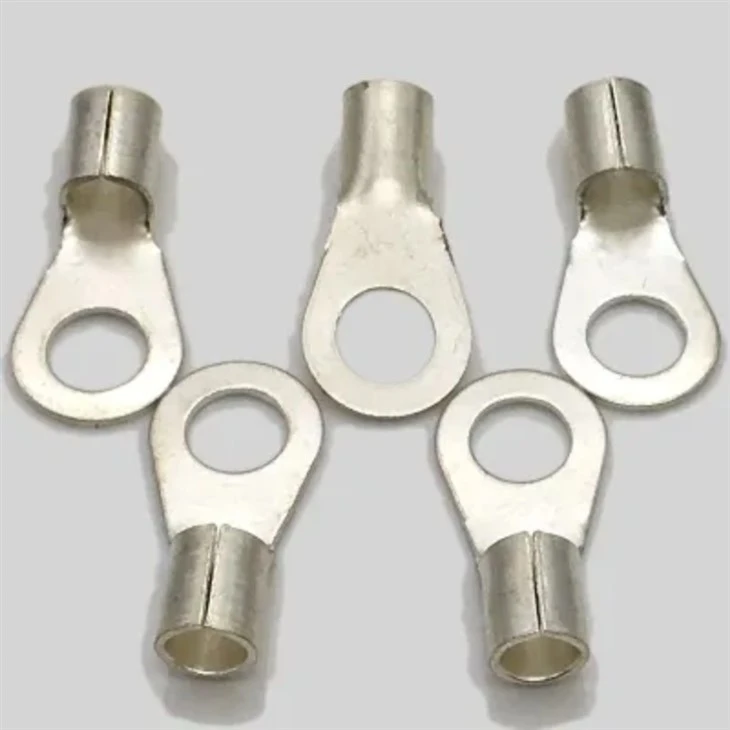
When it comes to connectors, the Bare Copper Ring Lugs Battery Crimp Terminals are an important part of the new energy cable system. The insulation around these terminals needs to be able to withstand the electrical currents flowing through them and protect against short - circuits. The insulation on these terminals is usually made of materials that are resistant to heat and abrasion, so they can maintain a good connection and prevent any electrical malfunctions.
Our New Energy Cable Made in China is also a great example of high - quality insulation performance. These cables are used in electric vehicles, where they need to be able to handle high - power charging and discharging cycles. The insulation on these cables is designed to be very durable and flexible. It can withstand the vibrations and movements that occur during vehicle operation without cracking or breaking. This ensures that the power supply to the vehicle's battery and other electrical components remains stable and safe.

In addition to the material, the thickness of the insulation also plays a role in its performance. A thicker insulation layer generally provides better protection, but it also adds to the cost and size of the cable. So, cable manufacturers need to find a balance between insulation thickness and other factors like cost, weight, and flexibility.
We also test our cables rigorously to ensure that they meet the highest standards of insulation performance. We conduct tests for dielectric strength, which measures how well the insulation can withstand high voltages without breaking down. We also test for insulation resistance, which indicates how well the insulation can prevent the flow of electrical current through it. These tests help us ensure that our cables are safe and reliable for use in new energy applications.
If you're in the market for new energy cables, it's important to consider the insulation performance. You want to make sure that the cables you choose can handle the specific conditions of your application. Whether it's a solar power system, an electric vehicle, or another new energy project, the right insulation can make all the difference in the long - term performance and safety of your system.
We're here to help you find the perfect new energy cables for your needs. Our team of experts can answer any questions you might have about insulation performance, cable selection, or installation. If you're interested in learning more or making a purchase, don't hesitate to get in touch with us. We're always happy to have a chat and discuss how we can meet your new energy cable requirements.
References:
- Electrical Insulation Materials Handbook, various authors
- Standards and Guidelines for New Energy Cable Insulation, industry associations