

Hey there! As a rubber cable supplier, I often get asked if rubber cables can be used in underground installations. It's a great question, and in this blog post, I'm gonna break it down for you.
First off, let's talk about what makes rubber cables so special. Rubber cables are known for their flexibility, durability, and resistance to various environmental factors. They can handle a wide range of temperatures, from extremely cold to quite hot, and they're also resistant to moisture, oil, and chemicals. These properties make them a popular choice for many different applications, including industrial, commercial, and residential settings.
Now, when it comes to underground installations, there are a few things to consider. The underground environment is a bit more challenging than above - ground use. It's constantly exposed to moisture, soil pressure, and potential damage from digging or other underground activities.
One of the biggest advantages of rubber cables in underground installations is their resistance to moisture. Unlike some other types of cables, rubber has a natural ability to repel water. This means that the cable's internal conductors are less likely to corrode, which can extend the cable's lifespan. For example, our SOOW SJOOW Power Cable is designed with a high - quality rubber jacket that provides excellent moisture protection. It's a great option for underground power distribution in areas where water accumulation might be an issue.
Another important factor is the cable's flexibility. Rubber cables are highly flexible, which makes them easier to install underground. You can bend them around corners and through tight spaces without worrying about damaging the cable. This flexibility also helps the cable withstand the shifting soil and ground movement that can occur over time. Our H07RN - F Industrial Cable is a prime example. Its flexible rubber construction allows for easy installation in underground conduits or directly buried in the ground.
However, there are also some challenges when using rubber cables underground. One of the main concerns is mechanical protection. The cable needs to be protected from physical damage, such as being crushed by heavy equipment or punctured by sharp objects in the soil. To address this, it's often recommended to install the cable in a protective conduit or use a cable with an extra - thick rubber jacket.
UV exposure is another consideration, although it's less of an issue underground. But if the cable is temporarily exposed during installation or in a manhole where some sunlight can reach, the rubber jacket should be UV - resistant. Most of our rubber cables are formulated to resist UV damage, ensuring long - term performance even in these situations.
Let's also talk about the electrical performance of rubber cables in underground installations. Rubber is an excellent insulator, which helps prevent electrical leakage and short - circuits. This is crucial for safety and the efficient operation of the electrical system. Our Servo Motor power Cable is designed with high - quality insulation materials to ensure stable electrical performance, even in underground environments.
In addition to the technical aspects, there are also regulatory requirements to consider. Different regions may have specific codes and standards for underground cable installations. It's important to make sure that the rubber cables you choose comply with these regulations. We always stay up - to - date with the latest industry standards and ensure that our products meet or exceed them.
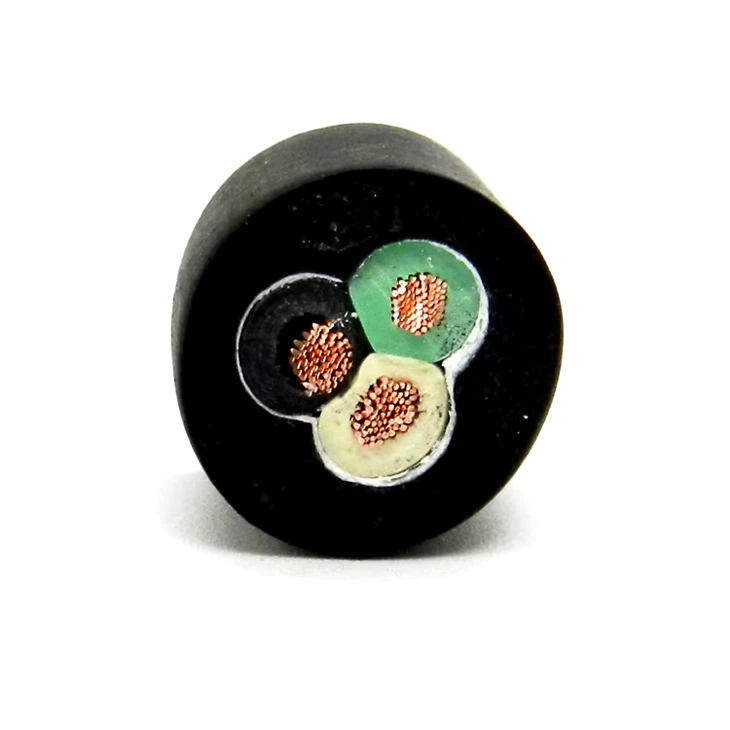

When it comes to cost - effectiveness, rubber cables can be a great choice for underground installations. While the initial cost might be slightly higher than some other types of cables, their long lifespan and low maintenance requirements can result in significant savings over time. You won't have to worry about frequent cable replacements or costly repairs due to corrosion or damage.
To sum it up, rubber cables can definitely be used in underground installations. They offer many benefits, such as moisture resistance, flexibility, and good electrical performance. However, you need to take proper precautions to protect the cable from mechanical damage and ensure compliance with local regulations.
If you're considering using rubber cables for your underground project, I'd love to help. We have a wide range of rubber cables to meet your specific needs. Whether you need a cable for power distribution, industrial machinery, or other applications, we've got you covered. Just reach out to us, and we can have a detailed discussion about your project requirements. We'll work with you to find the best cable solution at a competitive price.
References:
- Industry standards for underground cable installations
- Manufacturer's specifications for rubber cables