

In the dynamic landscape of the new energy sector, the design of new energy cables has witnessed remarkable advancements in recent years. As a leading new energy cable supplier, I've had the privilege of closely observing and participating in these developments. This blog post aims to explore the emerging trends in new energy cable design, highlighting the key factors driving these changes and their implications for the industry.
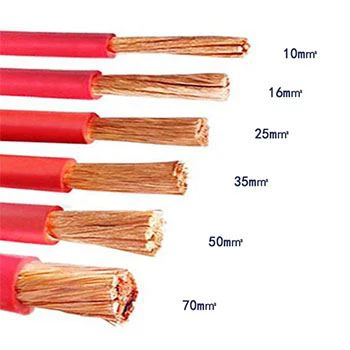
1. High - Voltage and High - Current Capabilities
One of the most prominent trends in new energy cable design is the increasing demand for cables that can handle high voltages and high currents. With the growth of large - scale renewable energy projects such as wind farms and solar power plants, as well as the development of high - performance electric vehicles (EVs), there is a need for cables that can efficiently transmit large amounts of electrical power.
In wind farms, for example, the power generated by turbines is often stepped up to high voltages for long - distance transmission. Cables used in these applications must be designed to withstand high electrical stresses and minimize power losses. Similarly, in EVs, the battery systems require cables that can deliver high currents to the motor, enabling rapid acceleration and high - speed operation. To meet these requirements, cable manufacturers are using advanced insulation materials and conductor designs. For instance, cross - linked polyethylene (XLPE) insulation is widely used due to its excellent electrical properties, high dielectric strength, and resistance to environmental factors. Additionally, conductors are being optimized to reduce resistance and improve current - carrying capacity, often through the use of high - purity copper or aluminum alloys.
2. Enhanced Thermal Management
Another critical trend in new energy cable design is the focus on enhanced thermal management. As cables carry high currents, they generate heat, which can degrade the insulation materials and reduce the cable's lifespan. In applications such as EV charging stations and high - power energy storage systems, efficient thermal management is essential to ensure the safe and reliable operation of the cables.
To address this issue, cable designers are incorporating innovative cooling techniques. Some cables are designed with built - in cooling channels that allow for the circulation of a cooling fluid, such as water or a refrigerant. This helps to dissipate heat more effectively and maintain the cable's temperature within a safe range. Additionally, new insulation materials with improved thermal conductivity are being developed to transfer heat away from the conductor more efficiently.
3. Flexibility and Durability
In the new energy sector, cables are often required to be flexible and durable. In EVs, for example, cables need to be able to bend and flex as the vehicle moves, without compromising their electrical performance. Similarly, in renewable energy installations, cables may be exposed to harsh environmental conditions, including extreme temperatures, moisture, and UV radiation.
To meet these requirements, cable manufacturers are using flexible insulation materials and robust outer sheaths. Silicone rubber is a popular choice for insulation in flexible cables due to its excellent flexibility, high - temperature resistance, and resistance to ozone and UV radiation. The outer sheaths are often made of materials such as polyurethane or polyvinyl chloride (PVC), which provide protection against mechanical damage, chemicals, and environmental factors.
4. Integration of Smart Features
The integration of smart features is an emerging trend in new energy cable design. With the increasing adoption of the Internet of Things (IoT) and smart grid technologies, there is a growing demand for cables that can provide real - time monitoring and diagnostic information.
Smart cables can be equipped with sensors that measure parameters such as temperature, current, and voltage. This data can be transmitted to a central monitoring system, allowing operators to detect potential issues early and take preventive measures. For example, if a cable's temperature exceeds a certain threshold, the monitoring system can alert the operator, who can then take steps to reduce the load or inspect the cable for damage. Additionally, smart cables can be used to optimize the operation of energy systems by providing information on power flow and cable performance.
5. Environmental Sustainability
Environmental sustainability is becoming an increasingly important consideration in new energy cable design. As the world moves towards a more sustainable future, there is a growing demand for cables that are made from environmentally friendly materials and have a minimal impact on the environment.
Cable manufacturers are exploring the use of recycled materials in cable production. For example, recycled copper and aluminum can be used as conductors, reducing the need for virgin materials and minimizing the environmental impact of mining. Additionally, biodegradable and recyclable insulation materials are being developed to replace traditional petroleum - based materials.
6. Compatibility with Energy Storage Systems
The growth of energy storage systems, such as batteries, is driving the need for cables that are specifically designed for these applications. Battery Cables need to be able to handle the unique electrical characteristics of batteries, including high - current charging and discharging cycles.
In battery energy storage systems, cables must be designed to minimize power losses and ensure efficient energy transfer. They also need to be able to withstand the chemical and thermal stresses associated with battery operation. Cable manufacturers are developing specialized battery cables with features such as low internal resistance, high - temperature resistance, and compatibility with different battery chemistries.
Implications for the Industry
These emerging trends in new energy cable design have significant implications for the industry. For cable suppliers, it means investing in research and development to stay ahead of the curve and meet the evolving needs of customers. This includes developing new materials, manufacturing processes, and testing techniques.
For end - users, such as renewable energy project developers, EV manufacturers, and energy storage system operators, these trends offer the opportunity to improve the performance, reliability, and sustainability of their energy systems. By using cables with high - voltage and high - current capabilities, enhanced thermal management, and smart features, they can optimize the operation of their systems and reduce the risk of downtime and maintenance costs.
Contact for Procurement
If you are in the market for high - quality new energy cables that incorporate the latest design trends, we are here to help. Our team of experts has extensive experience in the design and manufacturing of new energy cables, and we are committed to providing our customers with the best products and services. Whether you need cables for a large - scale renewable energy project, an EV charging station, or a battery energy storage system, we can offer customized solutions to meet your specific requirements. Please feel free to contact us to discuss your procurement needs and explore how our new energy cables can benefit your projects.
References
- "Handbook of Electrical Power Cable Engineering" by John W. McDonald.
- "Power Cable Engineering" by William A. Thue.
- Industry reports from organizations such as the International Energy Agency (IEA) and the Electric Power Research Institute (EPRI).