

What is the voltage rating of rubber cables?
As a dedicated supplier of rubber cables, I often encounter inquiries regarding the voltage ratings of these versatile electrical components. Understanding the voltage rating of rubber cables is crucial for ensuring their safe and efficient use in various applications. In this blog post, I will delve into the concept of voltage ratings, explain how they are determined, and discuss the significance of selecting the appropriate voltage rating for your specific needs.
What is a Voltage Rating?
The voltage rating of a cable is the maximum voltage that the cable can safely carry under normal operating conditions. It is a critical parameter that indicates the cable's ability to withstand electrical stress without experiencing insulation breakdown or other electrical failures. The voltage rating is typically expressed in volts (V) and is determined by a combination of factors, including the cable's insulation material, construction, and intended application.
How are Voltage Ratings Determined?
The voltage rating of a rubber cable is determined through a series of rigorous tests and evaluations conducted by independent testing laboratories and regulatory bodies. These tests are designed to simulate the cable's performance under various operating conditions and to ensure that it meets the relevant safety standards and regulations.
One of the key tests used to determine the voltage rating of a rubber cable is the dielectric withstand test. In this test, the cable is subjected to a high voltage for a specified period of time to check for any signs of insulation breakdown. The voltage applied during the test is typically higher than the cable's rated voltage to ensure that it has an adequate safety margin.
Another important test is the partial discharge test, which measures the occurrence of partial discharges within the cable's insulation. Partial discharges are small electrical discharges that occur within the insulation when the electric field strength exceeds a certain threshold. These discharges can cause damage to the insulation over time and can ultimately lead to insulation breakdown. By measuring the partial discharge activity, the test can detect any potential insulation defects or weaknesses in the cable.
In addition to these tests, the cable's voltage rating may also be influenced by other factors, such as the cable's temperature rating, its mechanical properties, and its resistance to environmental factors such as moisture, chemicals, and UV radiation.

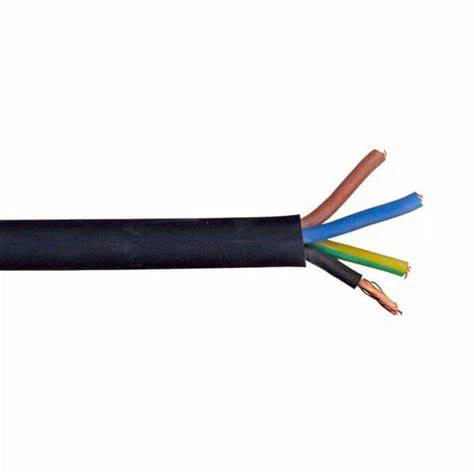
Significance of Selecting the Appropriate Voltage Rating
Selecting the appropriate voltage rating for your rubber cable is essential for ensuring its safe and reliable operation. Using a cable with a voltage rating that is too low for the application can result in insulation breakdown, electrical arcing, and even fire. On the other hand, using a cable with a voltage rating that is too high can be unnecessary and can increase the cost of the cable.
When selecting a rubber cable, it is important to consider the specific requirements of your application, including the maximum voltage that the cable will be exposed to, the ambient temperature, the type of load, and the environmental conditions. By choosing a cable with the appropriate voltage rating, you can ensure that it will provide reliable performance and will meet the safety standards and regulations for your application.
Common Voltage Ratings for Rubber Cables
Rubber cables are available in a wide range of voltage ratings to suit different applications. Some of the most common voltage ratings for rubber cables include:
- Low Voltage (LV) Cables: These cables are typically rated for voltages up to 1000 V and are commonly used in residential, commercial, and industrial applications. Examples of low voltage rubber cables include the VDE H07RN-F Rubber Cable, which is widely used for portable electrical equipment, and the H07RN-F Industrial Cable, which is suitable for use in industrial environments.
- Medium Voltage (MV) Cables: These cables are rated for voltages between 1000 V and 35 kV and are commonly used in power distribution systems, industrial plants, and renewable energy applications. Medium voltage rubber cables are designed to withstand higher electrical stresses and require more robust insulation materials and construction.
- High Voltage (HV) Cables: These cables are rated for voltages above 35 kV and are used in high voltage transmission and distribution systems. High voltage rubber cables require specialized insulation materials and construction techniques to ensure their safe and reliable operation at high voltages.
Conclusion
In conclusion, the voltage rating of a rubber cable is a critical parameter that indicates its ability to withstand electrical stress without experiencing insulation breakdown or other electrical failures. By understanding the concept of voltage ratings, how they are determined, and the significance of selecting the appropriate voltage rating for your application, you can ensure that your rubber cable will provide reliable performance and will meet the relevant safety standards and regulations.
If you are in need of a high-quality rubber cable for your specific application, please do not hesitate to contact us. As a leading supplier of rubber cables, we offer a wide range of products with different voltage ratings, sizes, and configurations to meet your needs. Our experienced team of professionals can help you select the right cable for your application and provide you with the technical support and advice you need to ensure its safe and reliable operation.
Let's work together to find the perfect rubber cable solution for your project. Contact us today to start the conversation!
References
- International Electrotechnical Commission (IEC) standards for electrical cables
- National Electrical Code (NEC) for electrical installations in the United States
- British Standards (BS) for electrical cables in the United Kingdom