

Let's face it, the world's going green, and every industry's under the microscope to pull its weight in environmental conservation. As a supplier of communication cables, I've seen firsthand how fiber - optic cables are a game - changer when it comes to environmental benefits.

First off, let's talk about energy efficiency. Traditional copper cables? They're energy hogs. They lose a ton of power as heat during transmission, and that means utility companies and other users have to pump in more energy to get the same level of performance. On the flip side, fiber - optic cables are super efficient. Light travels through them with minimal resistance, so there's hardly any energy lost to heat. For large - scale telecommunication networks using fiber - optic cables, this translates into massive energy savings. Think about all the data centers around the world. A single data center can guzzle an insane amount of electricity. When you use fiber - optic cables for internal and external communication, you're slashing that energy consumption significantly. And less energy consumption means less pressure on power plants, which usually rely on fossil fuels. So, we're not only using less energy directly but also indirectly reducing the carbon footprint associated with power generation.
Another major environmental plus is the lower demand for raw materials. Copper is limited, and mining it is a dirty business. It involves large - scale excavation, which destroys habitats and releases all sorts of harmful chemicals into the environment. The refining process also consumes a huge amount of energy and water. Fiber - optic cables are mainly made of silica, which is abundant in sand. You don't need to dig deep into the earth or use harsh chemicals on a large scale to get the materials for fiber - optic cables. This reduces the environmental impact associated with raw material extraction.
Not only that, but fiber - optic cables are also incredibly durable. They can last for decades. In contrast, copper cables are more prone to wear and tear, corrosion, and interference. This means copper cables need to be replaced more frequently. With fiber - optic cables' long lifespan, there's less waste generated over time. Fewer cables are being discarded and ending up in landfills. And let's not forget about the energy and resources that would have gone into manufacturing new copper cables to replace the old ones.
Now, let's touch on the space factor. Fiber - optic cables are much thinner and lighter compared to copper cables of the same capacity. This might not seem like a big deal at first, but it has some great environmental implications. When laying cables, especially in large telecommunication projects, less space is required for fiber - optic cables. This reduces the amount of land that needs to be cleared or modified for cable installation. In urban areas, it means less disruption to the existing infrastructure and less need to dig up large areas of the city. In rural or natural areas, it means less damage to the ecosystem.
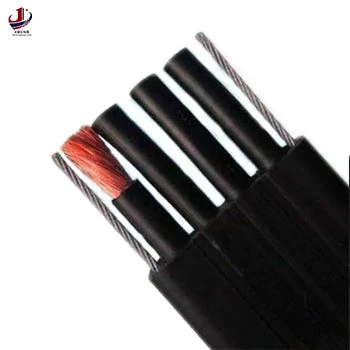
As a communication cable supplier, we offer a wide range of products. For example, we have the YFFB Flat Cable For Cranes And Conveyors. This cable is designed for specific industrial applications and is made to be reliable and efficient. We also have the RVV(1G) Round Cable With Supporting Steel Wires, which provides extra strength and support. And our Plastic Insulated Control Cables are known for their excellent insulation properties.
If you're in the market for communication cables, whether it's for a small - scale project or a large - scale network, we've got the solutions. And by choosing our fiber - optic cables, you're not only getting high - performance products but also doing your part for the environment. We're here to help you make the right choice for your communication needs. So, if you're interested in learning more about our products or want to start a procurement discussion, don't hesitate to reach out.
References
- "Fiber - Optic Communication Systems" by Govind P. Agrawal.
- Various industry reports on the environmental impact of different communication cable types.