

Hey there! As a solar cable supplier, I often get asked about how often solar cables should be replaced. It's a crucial question, and in this blog, I'll break it down for you in a simple and easy - to - understand way.
First off, let's talk about what solar cables are and why they matter. Solar cables are the unsung heroes of solar energy systems. They're responsible for carrying the electricity generated by solar panels from the panels to the inverter and then to the rest of the electrical system. Without reliable cables, your solar power setup won't work efficiently, or worse, it could pose a safety risk.
There's no one - size - fits - all answer to how often solar cables should be replaced. Several factors come into play, and we'll go through each of them one by one.
Environmental Conditions
One of the biggest factors affecting the lifespan of solar cables is the environment they're in. If your solar panels and cables are installed in an area with extreme weather conditions, the cables will face more wear and tear.
For example, in regions with high temperatures, the insulation on the cables can start to degrade over time. The heat causes the insulation material to expand and contract, which can lead to cracks. Once the insulation is compromised, it can expose the conductors inside, increasing the risk of short - circuits and electrical fires.
On the other hand, in areas with high humidity or frequent rainfall, moisture can seep into the cables. This can cause corrosion of the conductors, especially if they're not properly protected. Saltwater exposure, like in coastal areas, is even more damaging. The salt can accelerate the corrosion process, significantly reducing the cable's lifespan.
UV radiation is another environmental factor. Solar panels are constantly exposed to sunlight, and the UV rays can break down the outer layer of the cables. This makes the cables brittle and more prone to damage.
Quality of the Cables
The quality of the solar cables you choose also plays a huge role. High - quality cables are made with better materials and manufacturing processes. They're designed to withstand harsh environmental conditions and have a longer lifespan.
For instance, our 1*16mm2 PV1 - F Solar Cable is made with top - notch insulation materials that are resistant to UV radiation, heat, and moisture. It's built to last, even in tough environments. Similarly, our DC Solar Cable Tinned Copper uses tinned copper conductors, which are more resistant to corrosion compared to regular copper.
Lower - quality cables, on the other hand, may start to show signs of wear and tear much earlier. They might have thinner insulation or inferior conductors, which can lead to problems like power loss and safety hazards.
Installation and Maintenance
Proper installation is key to ensuring the long - term performance of solar cables. If the cables are installed incorrectly, they can be subject to unnecessary stress. For example, if the cables are bent too sharply or are pinched during installation, it can damage the internal conductors and insulation.
Regular maintenance is also important. You should inspect your solar cables periodically for any signs of damage, such as cracks, cuts, or corrosion. If you notice any issues, it's best to replace the damaged sections of the cable as soon as possible.
Typical Lifespan of Solar Cables
Under normal environmental conditions and with proper installation and maintenance, high - quality solar cables can last anywhere from 20 to 30 years. However, if the cables are exposed to extreme conditions or if they're of lower quality, their lifespan could be significantly shorter, maybe as little as 5 to 10 years.
It's important to note that just because a cable is still functioning doesn't mean it's in good condition. Over time, the performance of the cable can degrade, leading to power losses. This means that your solar energy system won't be as efficient as it could be.

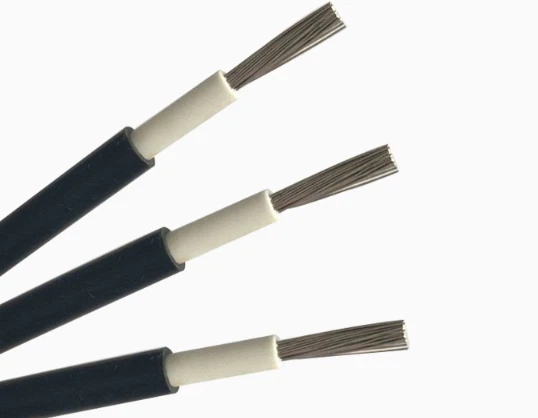
Signs That Your Solar Cables Need to be Replaced
There are a few signs that can indicate it's time to replace your solar cables. If you notice any of these, it's a good idea to have the cables inspected by a professional:
- Visible Damage: Cracks, cuts, or abrasions on the outer insulation of the cable are obvious signs of damage. Even small cracks can allow moisture to seep in and cause further problems.
- Corrosion: If you see any signs of corrosion on the conductors, especially at the connection points, it's a sign that the cable is deteriorating.
- Power Loss: A sudden drop in the power output of your solar energy system could be due to a problem with the cables. As the cables degrade, they can cause resistance, which leads to power losses.
- Overheating: If the cables feel hot to the touch during normal operation, it could be a sign of a problem. Overheating can be caused by a short - circuit or excessive resistance in the cable.
Our Recommendations
As a solar cable supplier, we recommend that you invest in high - quality cables from the start. Our 4mm 6mm 10mm Pv Cable Solar Cable With MC4 is a great option for most solar energy systems. It's reliable, durable, and designed to meet the highest industry standards.
Also, make sure to have your solar cables installed by a professional. They'll know how to install the cables correctly to minimize stress and ensure proper performance. And don't forget about regular maintenance. A little bit of prevention can go a long way in extending the lifespan of your solar cables.
If you're unsure about the condition of your solar cables or if you're planning a new solar energy installation, we're here to help. We can provide you with expert advice on the right type of cables for your needs and answer any questions you might have.
If you're interested in purchasing solar cables or want to discuss your requirements further, feel free to reach out. We're always happy to have a chat and help you find the best solutions for your solar energy project.
References
- Solar Energy Industries Association (SEIA) publications on solar system components.
- International Electrotechnical Commission (IEC) standards for solar cables.
- Technical literature from leading solar cable manufacturers.