

In the dynamic realm of high - altitude flight equipment, the question of whether special cables can be utilized is of paramount importance. As a seasoned special cable supplier, I have witnessed firsthand the evolution of cable technology and its potential applications in high - altitude scenarios. This blog aims to explore the feasibility, advantages, and challenges of using special cables in high - altitude flight equipment.
The Need for Special Cables in High - Altitude Flight
High - altitude flight environments present a unique set of challenges that demand specialized solutions. The conditions at high altitudes, such as extreme temperatures, low air pressure, high levels of radiation, and intense electromagnetic interference (EMI), can significantly impact the performance and reliability of electrical and electronic systems.
Extreme temperatures are a major concern. At high altitudes, the temperature can drop to extremely low levels, which can cause standard cables to become brittle and lose their flexibility. This can lead to cracking and breakage, which in turn can disrupt the electrical connections and cause system failures. On the other hand, during re - entry or periods of intense solar radiation, the cables may be exposed to high temperatures, which can also degrade the insulation materials and reduce the cable's lifespan.
Low air pressure can also have a detrimental effect on cables. At high altitudes, the air pressure is much lower than at sea level. This can cause the insulation materials to outgas, releasing volatile compounds that can contaminate the surrounding environment and potentially damage other components. Additionally, the reduced air pressure can affect the dielectric properties of the insulation, increasing the risk of electrical breakdown.
Radiation is another significant factor. High - altitude flight exposes equipment to higher levels of cosmic radiation and solar flares. Radiation can cause damage to the insulation and conductors of cables, leading to increased resistance, signal loss, and even complete failure. Electromagnetic interference (EMI) is also prevalent in high - altitude environments, especially near communication and navigation systems. EMI can disrupt the signals transmitted through the cables, leading to errors and malfunctions in the flight equipment.
Types of Special Cables Suitable for High - Altitude Flight
To address these challenges, several types of special cables have been developed. These cables are designed to withstand the harsh conditions of high - altitude flight and provide reliable performance.
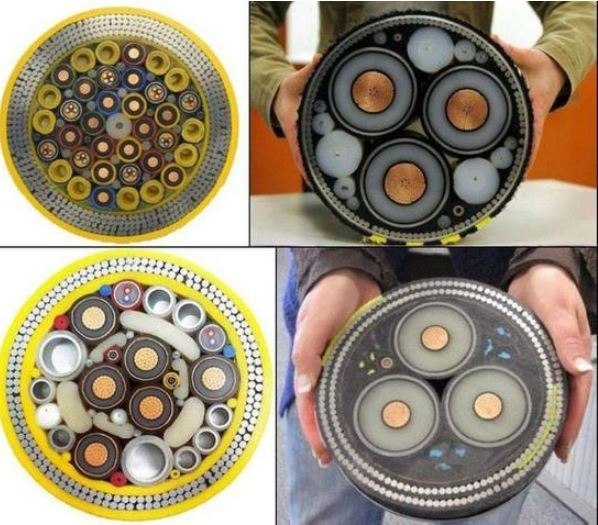
One such type is the Submarine Cable. Although primarily designed for underwater use, submarine cables share many characteristics with cables used in high - altitude flight. They are typically constructed with high - quality insulation materials that are resistant to water, chemicals, and extreme temperatures. The insulation materials used in submarine cables, such as cross - linked polyethylene (XLPE) and ethylene propylene rubber (EPR), can also provide good resistance to radiation and EMI.
Another type is the Submarine Optoelectronic Composite Cable. This cable combines optical fibers and electrical conductors in a single structure, allowing for the simultaneous transmission of data and power. Optoelectronic composite cables are highly resistant to EMI and can provide high - speed data transmission over long distances. They are also lightweight and flexible, making them suitable for use in high - altitude flight equipment where weight and space are critical factors.
The RG26H1M16 - 12/20 18/30 KV is a high - voltage cable that is designed for use in demanding environments. It features a robust insulation system that can withstand high voltages and extreme temperatures. The cable is also resistant to chemical corrosion and mechanical stress, making it suitable for use in high - altitude flight equipment where reliability is essential.
Advantages of Using Special Cables in High - Altitude Flight Equipment
Using special cables in high - altitude flight equipment offers several advantages. Firstly, these cables provide enhanced reliability. By using cables that are specifically designed to withstand the harsh conditions of high - altitude flight, the risk of system failures and malfunctions is significantly reduced. This can improve the safety and performance of the flight equipment, ensuring a smooth and successful flight.
Secondly, special cables can improve the efficiency of the flight equipment. High - quality insulation materials and advanced conductor designs can reduce the resistance and signal loss in the cables, allowing for more efficient transmission of power and data. This can lead to lower energy consumption and improved overall system performance.
Thirdly, special cables can help to reduce the weight of the flight equipment. Lightweight materials and compact designs are often used in the construction of special cables, which can help to reduce the overall weight of the aircraft. This is particularly important in high - altitude flight, where every kilogram of weight reduction can have a significant impact on fuel consumption and flight range.
Challenges and Considerations
Despite the many advantages of using special cables in high - altitude flight equipment, there are also several challenges and considerations that need to be addressed.

One of the main challenges is the cost. Special cables are often more expensive than standard cables due to the use of high - quality materials and advanced manufacturing processes. The development and testing of these cables also require significant investment in research and development. However, it is important to consider the long - term benefits of using special cables, such as improved reliability and efficiency, which can offset the initial cost.
Another challenge is the availability of these cables. Special cables are not as widely available as standard cables, and they may require longer lead times for production and delivery. This can be a significant issue for flight equipment manufacturers, especially when they need to meet tight production schedules.
Installation and maintenance of special cables also require specialized knowledge and skills. The unique properties of these cables, such as their sensitivity to temperature and pressure, require careful handling during installation. Additionally, regular maintenance and inspection are necessary to ensure the continued performance and reliability of the cables.
Conclusion
In conclusion, special cables can be effectively used in high - altitude flight equipment. These cables are designed to withstand the harsh conditions of high - altitude flight, including extreme temperatures, low air pressure, radiation, and electromagnetic interference. By using special cables, flight equipment manufacturers can improve the reliability, efficiency, and safety of their products.
However, the use of special cables also presents several challenges, such as cost, availability, and installation and maintenance requirements. It is important for flight equipment manufacturers to carefully consider these factors when selecting cables for their high - altitude applications.
If you are involved in the development or operation of high - altitude flight equipment and are interested in learning more about our special cables, we invite you to contact us for a detailed discussion. Our team of experts can provide you with the information and support you need to select the right cables for your specific requirements.
References
- IEEE Transactions on Aerospace and Electronic Systems
- International Journal of Aviation, Aeronautics, and Aerospace
- Proceedings of the AIAA Aerospace Sciences Meeting