

As a reputable solar cable supplier, I often get asked about the temperature ratings of solar cables. Understanding these ratings is crucial for anyone involved in solar power systems, whether you're an installer, a system designer, or a homeowner looking to go solar. In this blog post, I'll delve into the details of temperature ratings for solar cables, explaining what they mean, why they matter, and how to choose the right cable for your specific needs.
What are Temperature Ratings?
Temperature ratings for solar cables refer to the maximum and minimum temperatures at which the cable can operate safely and efficiently. These ratings are typically expressed in degrees Celsius (°C) and are determined by the cable's insulation and jacket materials. The insulation is the material that surrounds the conductor, protecting it from electrical shorts and environmental factors. The jacket is the outer layer of the cable, providing additional protection against mechanical damage, moisture, and UV radiation.
There are two main temperature ratings to consider: the continuous operating temperature and the maximum short-circuit temperature. The continuous operating temperature is the temperature at which the cable can operate continuously without experiencing any significant degradation in performance. This rating is important because solar panels can generate a significant amount of heat, especially in hot climates or during peak sunlight hours. If the cable is not rated to handle these temperatures, it can overheat, leading to insulation breakdown, reduced efficiency, and even fire hazards.
The maximum short-circuit temperature, on the other hand, is the temperature that the cable can withstand for a short period of time during a short-circuit event. Short-circuits can occur due to a variety of reasons, such as a fault in the electrical system or damage to the cable. During a short-circuit, a large amount of current flows through the cable, generating a significant amount of heat. The maximum short-circuit temperature rating ensures that the cable can handle this heat without melting or catching fire.
Why Do Temperature Ratings Matter?
Temperature ratings are important for several reasons. First and foremost, they ensure the safety and reliability of the solar power system. By using cables with the appropriate temperature ratings, you can minimize the risk of overheating, insulation breakdown, and fire hazards. This is especially important in large-scale solar installations, where a single cable failure can have a significant impact on the entire system.
In addition to safety, temperature ratings also affect the performance and efficiency of the solar power system. When a cable overheats, its resistance increases, which can lead to a loss of power and reduced efficiency. This means that the solar panels may not be able to generate as much electricity as they could if the cables were operating at the optimal temperature. By using cables with the appropriate temperature ratings, you can ensure that the system operates at its maximum efficiency, maximizing the return on your investment.
Finally, temperature ratings are also important for compliance with industry standards and regulations. Most countries and regions have specific requirements for the temperature ratings of solar cables, and using cables that do not meet these requirements can result in fines, penalties, and even legal liability. By using cables with the appropriate temperature ratings, you can ensure that your solar power system is compliant with all relevant standards and regulations.
Common Temperature Ratings for Solar Cables
There are several common temperature ratings for solar cables, each designed to meet the specific needs of different applications. The most common ratings are:
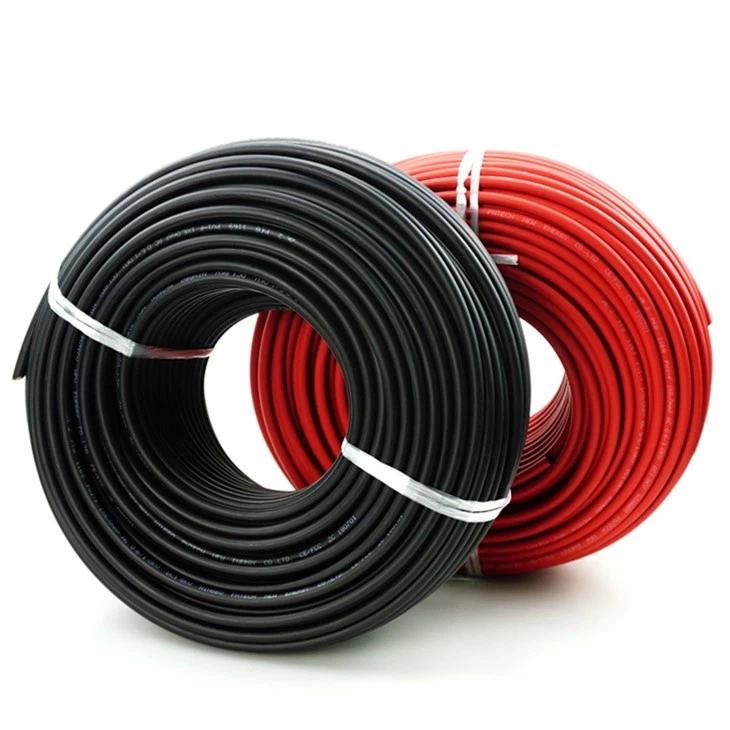
- PV1-F: This is the most widely used rating for solar cables. PV1-F cables are rated for a continuous operating temperature of 90°C and a maximum short-circuit temperature of 200°C. These cables are suitable for most solar power systems, including residential, commercial, and utility-scale installations. You can find our 1*16mm2 PV1-F Solar Cable and Twin Core Photovoltaic Solar Cable PV1-F with these ratings.
- H07RN-F: This rating is commonly used for flexible solar cables. H07RN-F cables are rated for a continuous operating temperature of 70°C and a maximum short-circuit temperature of 160°C. These cables are suitable for applications where flexibility is required, such as in portable solar power systems or in installations where the cables need to be bent or routed around obstacles.
- Tinned Copper Solar Wire: Tinned copper solar wire is a type of cable that is coated with a thin layer of tin to protect the copper conductor from corrosion. Tinned copper solar wire is typically rated for a continuous operating temperature of 90°C and a maximum short-circuit temperature of 200°C. You can explore our Tinned Copper Solar Wire for more details.
Choosing the Right Temperature Rating for Your Solar Cables
When choosing the right temperature rating for your solar cables, there are several factors to consider. These include:
- Climate: The climate in which the solar power system will be installed is one of the most important factors to consider. In hot climates, where temperatures can reach high levels, you will need to choose cables with a higher temperature rating. Conversely, in cooler climates, you may be able to use cables with a lower temperature rating.
- System Size: The size of the solar power system is another important factor to consider. Larger systems typically generate more heat, so you will need to choose cables with a higher temperature rating to ensure that they can handle the additional heat.
- Installation Location: The location of the solar power system can also affect the temperature rating of the cables. For example, if the cables will be installed in direct sunlight or in an area with poor ventilation, they will be exposed to higher temperatures, so you will need to choose cables with a higher temperature rating.
- Application: The specific application of the solar power system can also affect the temperature rating of the cables. For example, if the system will be used for a high-power application, such as a commercial or utility-scale installation, you will need to choose cables with a higher temperature rating to ensure that they can handle the additional current.
Conclusion
In conclusion, understanding the temperature ratings of solar cables is crucial for anyone involved in solar power systems. By choosing cables with the appropriate temperature ratings, you can ensure the safety, reliability, and efficiency of your solar power system. As a solar cable supplier, we offer a wide range of cables with different temperature ratings to meet the specific needs of your application. If you have any questions or need help choosing the right cables for your solar power system, please don't hesitate to contact us. We're here to help you make the right choice and ensure the success of your solar project.

References
- International Electrotechnical Commission (IEC) standards for solar cables
- National Electrical Code (NEC) requirements for solar power systems
- Manufacturer's specifications for solar cables