

As a dedicated rubber cable supplier, I understand the significance of ensuring the longevity and optimal performance of rubber cables. Rubber cables are widely used in various industries due to their flexibility, durability, and resistance to abrasion, moisture, and chemicals. However, they are still susceptible to damage if not properly cared for. In this blog post, I will share some practical tips on how to prevent damage to rubber cables, drawing on my experience in the industry.
1. Proper Installation
The first step in preventing damage to rubber cables is to ensure proper installation. Incorrect installation can lead to stress on the cables, which can cause them to crack, break, or short-circuit. Here are some key points to keep in mind during installation:
- Avoid Overbending: Rubber cables have a minimum bending radius, which is the smallest radius around which the cable can be bent without causing damage. Exceeding this radius can cause the insulation to crack or the conductors to break. Refer to the manufacturer's specifications for the minimum bending radius of the cable and ensure that it is not exceeded during installation.
- Use Appropriate Supports: Rubber cables should be supported at regular intervals to prevent them from sagging or being subjected to excessive tension. Use cable trays, clips, or hangers that are designed for the type and size of the cable. Make sure the supports are securely attached to the mounting surface and do not damage the cable.
- Protect from Sharp Edges: When routing rubber cables, avoid sharp edges or corners that could cut or damage the insulation. Use cable grommets, bushings, or protective sleeves to prevent the cable from coming into contact with sharp objects.
- Proper Termination: Ensure that the cable is terminated correctly using the appropriate connectors and terminals. Improper termination can lead to loose connections, which can cause overheating, arcing, or short-circuits. Follow the manufacturer's instructions for termination and use the recommended tools and materials.
2. Environmental Considerations
The environment in which rubber cables are used can have a significant impact on their lifespan. Exposure to extreme temperatures, moisture, chemicals, and UV radiation can cause the rubber to degrade, crack, or become brittle. Here are some environmental factors to consider and how to mitigate their effects:
- Temperature: Rubber cables have a specific temperature range within which they can operate safely. Exposure to temperatures outside this range can cause the rubber to expand or contract, which can lead to damage. Avoid installing cables in areas where they will be exposed to direct sunlight, hot surfaces, or extreme cold. Use insulation or heat shields to protect the cable from high temperatures, and use cold-resistant cables in low-temperature environments.
- Moisture: Moisture can cause the rubber insulation to swell, soften, or become conductive, which can lead to electrical problems. Protect rubber cables from moisture by installing them in dry locations or using waterproof enclosures. If the cable is exposed to moisture, make sure it is properly sealed and protected from water ingress.
- Chemicals: Exposure to chemicals such as oils, solvents, acids, and alkalis can cause the rubber to deteriorate. Avoid installing cables in areas where they will be exposed to chemicals or use chemical-resistant cables. If the cable comes into contact with chemicals, clean it immediately with a mild detergent and water.
- UV Radiation: UV radiation from the sun can cause the rubber to degrade and become brittle over time. Protect rubber cables from UV radiation by installing them in shaded areas or using UV-resistant cables. If the cable is exposed to sunlight, use a protective coating or cover to reduce the effects of UV radiation.
3. Regular Inspection and Maintenance
Regular inspection and maintenance are essential for detecting and preventing damage to rubber cables. By inspecting the cables regularly, you can identify any signs of wear, damage, or degradation and take appropriate action before it becomes a serious problem. Here are some inspection and maintenance tips:

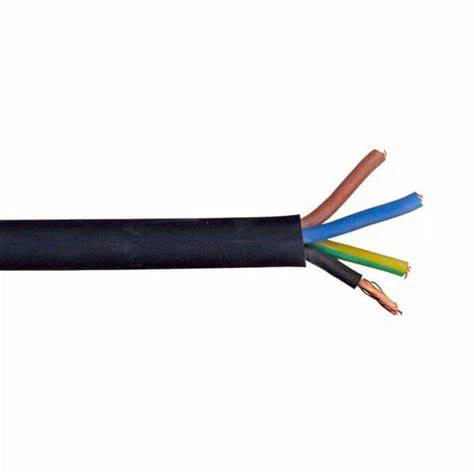
- Visual Inspection: Conduct a visual inspection of the cables on a regular basis to look for signs of damage, such as cracks, cuts, abrasions, or swelling. Check the insulation for any signs of discoloration or deterioration. Look for loose connections, frayed wires, or other signs of wear.
- Electrical Testing: Periodically test the electrical properties of the cables, such as resistance, insulation resistance, and continuity. This can help detect any hidden problems or potential failures. Use a multimeter or other appropriate testing equipment to perform the tests.
- Cleaning: Keep the cables clean and free of dirt, dust, and debris. Use a soft brush or cloth to remove any dirt or debris from the surface of the cable. Avoid using abrasive cleaners or solvents that could damage the rubber insulation.
- Replacement: If you notice any signs of damage or degradation during the inspection, replace the cable immediately. Do not attempt to repair a damaged cable, as this can be dangerous and may not be effective.
4. Handling and Storage
Proper handling and storage of rubber cables are also important for preventing damage. When handling cables, avoid pulling, twisting, or bending them excessively. Use the appropriate lifting equipment and techniques to prevent damage to the cable. When storing cables, make sure they are stored in a dry, cool, and well-ventilated area. Here are some handling and storage tips:
- Lifting and Moving: When lifting or moving rubber cables, use a cable reel or spool that is designed for the type and size of the cable. Avoid dragging the cable on the ground or across rough surfaces. Use a hoist or forklift to lift the cable reel or spool, and make sure it is balanced and secure.
- Storage Conditions: Store rubber cables in a dry, cool, and well-ventilated area away from direct sunlight, heat sources, and chemicals. Keep the cables off the ground and away from sharp objects. Use cable racks or shelves to store the cables in an organized manner.
- Rotation: If you have a large inventory of rubber cables, rotate them regularly to ensure that the oldest cables are used first. This can help prevent the cables from deteriorating due to long-term storage.
5. Quality Assurance
Using high-quality rubber cables from a reputable supplier is one of the best ways to prevent damage. High-quality cables are made from better materials and are manufactured to strict quality standards, which means they are more likely to be durable and reliable. When selecting rubber cables, look for the following features:
- Certification: Choose cables that are certified to relevant industry standards, such as UL, VDE, or CE. Certification ensures that the cable has been tested and meets the required safety and performance criteria.
- Quality Materials: Look for cables that are made from high-quality rubber compounds that are resistant to heat, moisture, chemicals, and UV radiation. The conductors should be made from high-purity copper or aluminum to ensure good electrical conductivity.
- Manufacturer Reputation: Select a supplier that has a good reputation in the industry and is known for producing high-quality cables. Read customer reviews and testimonials to get an idea of the supplier's reliability and customer service.
Conclusion
Preventing damage to rubber cables requires a combination of proper installation, environmental considerations, regular inspection and maintenance, proper handling and storage, and the use of high-quality cables. By following these tips, you can extend the lifespan of your rubber cables, reduce the risk of electrical problems, and ensure the safety and reliability of your electrical systems.
If you are in the market for high-quality rubber cables, we offer a wide range of products, including H07RN-F Industrial Cable, H07RN-F Industrial Cable, and VDE H07RN-F Rubber Cable. Our cables are manufactured to the highest quality standards and are designed to meet the needs of various industries. Contact us today to discuss your requirements and learn more about our products. We look forward to working with you!
References
- National Electrical Code (NEC)
- International Electrotechnical Commission (IEC) standards
- Manufacturer's specifications and installation guides for rubber cables