

Upgrading an existing system to use new energy cables is a strategic move that aligns with the global shift towards sustainable and efficient energy solutions. As a supplier of New Energy Cable, I've witnessed firsthand the transformative impact these cables can have on various systems. In this blog, I'll share insights on how to upgrade an existing system to use new energy cables, highlighting the benefits, steps, and considerations involved.
Benefits of Using New Energy Cables
New energy cables are designed to meet the unique requirements of modern energy systems, offering several advantages over traditional cables. These benefits include:
- Higher Efficiency: New energy cables are engineered to minimize power loss during transmission, resulting in improved energy efficiency. This not only reduces operational costs but also contributes to a more sustainable energy infrastructure.
- Enhanced Safety: With advanced insulation materials and robust construction, new energy cables provide better protection against electrical hazards, such as short circuits and fires. This ensures the safety of both the system and its users.
- Increased Durability: New energy cables are built to withstand harsh environmental conditions, including extreme temperatures, moisture, and UV radiation. This makes them ideal for use in outdoor and industrial applications, where traditional cables may fail.
- Compatibility with Renewable Energy Sources: As the demand for renewable energy continues to grow, new energy cables are designed to work seamlessly with solar panels, wind turbines, and other renewable energy sources. This enables efficient energy transfer from these sources to the grid or storage systems.
Steps to Upgrade an Existing System
Upgrading an existing system to use new energy cables requires careful planning and execution. Here are the key steps involved:
- Assessment: Conduct a thorough assessment of the existing system to determine its current capacity, load requirements, and any potential limitations. This will help you identify the specific areas where new energy cables are needed and ensure that the upgrade is tailored to your system's needs.
- Cable Selection: Based on the assessment results, select the appropriate new energy cables for your system. Consider factors such as cable type, size, voltage rating, and insulation material to ensure compatibility and optimal performance. You may also want to consult with a professional electrical engineer or cable supplier for guidance on cable selection.
- System Design: Develop a detailed system design that incorporates the new energy cables. This should include a layout of the cable routes, connection points, and any necessary accessories or components. The design should also comply with relevant electrical codes and standards to ensure safety and reliability.
- Installation: Once the system design is finalized, proceed with the installation of the new energy cables. This may involve removing the existing cables, laying the new cables, and connecting them to the system. It's important to follow the manufacturer's installation instructions and best practices to ensure proper installation and avoid any potential issues.
- Testing and Commissioning: After the installation is complete, conduct comprehensive testing and commissioning of the system to ensure that it is functioning properly. This may include electrical testing, insulation resistance testing, and performance testing. Any issues or defects identified during the testing process should be addressed promptly to ensure the system's reliability and performance.
- Training and Maintenance: Provide training to the system operators and maintenance personnel on the proper use and maintenance of the new energy cables. This will help them understand the system's operation, identify potential issues, and perform routine maintenance tasks. Regular maintenance should also be scheduled to ensure the long-term performance and reliability of the system.
Considerations for Upgrading
When upgrading an existing system to use new energy cables, there are several important considerations to keep in mind:
- Cost: Upgrading to new energy cables can be a significant investment, so it's important to carefully consider the cost-benefit ratio. While the initial cost of the cables and installation may be higher than traditional cables, the long-term savings in energy costs and maintenance expenses can outweigh the upfront investment.
- Compatibility: Ensure that the new energy cables are compatible with the existing system components, such as switches, breakers, and transformers. This may require additional modifications or upgrades to the system to ensure proper operation.
- Safety: Safety should always be a top priority when upgrading an electrical system. Make sure that the new energy cables are installed by qualified professionals and comply with all relevant electrical codes and standards. Additionally, provide appropriate safety training to the system operators and maintenance personnel to minimize the risk of electrical accidents.
- Future Expansion: Consider the future expansion plans for your system when upgrading to new energy cables. Select cables that have sufficient capacity to accommodate future growth and ensure that the system design allows for easy expansion and modification.
- Environmental Impact: New energy cables are designed to be more environmentally friendly than traditional cables, but it's still important to consider the environmental impact of the upgrade. Look for cables that are made from sustainable materials and have a low carbon footprint.
Conclusion
Upgrading an existing system to use new energy cables is a smart investment that can provide numerous benefits, including improved energy efficiency, enhanced safety, increased durability, and compatibility with renewable energy sources. By following the steps outlined in this blog and considering the important factors involved, you can ensure a successful upgrade that meets your system's needs and contributes to a more sustainable energy future.
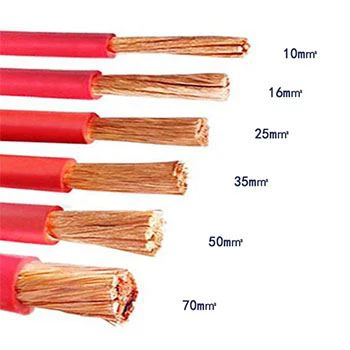
If you're interested in upgrading your existing system to use new energy cables, Battery Cables can provide you with high-quality cables and professional guidance. Contact us today to learn more about our products and services and to discuss your specific requirements. We look forward to working with you to upgrade your system and help you achieve your energy goals.
References
- National Electrical Code (NEC)
- International Electrotechnical Commission (IEC) standards
- Manufacturer's installation and maintenance manuals for new energy cables