

Installing rubber cables in a wet environment requires careful planning and adherence to specific guidelines to ensure safety and optimal performance. As a leading rubber cable supplier, we understand the challenges and intricacies involved in such installations. In this blog post, we will provide you with a comprehensive guide on how to install rubber cables in a wet environment, covering everything from cable selection to installation techniques.
Cable Selection
The first step in installing rubber cables in a wet environment is to choose the right type of cable. Not all rubber cables are suitable for wet conditions, so it's essential to select a cable that is specifically designed for such environments. Here are some key factors to consider when choosing a cable:
- Water Resistance: Look for cables with a high level of water resistance. This can be indicated by the cable's insulation and jacket materials. For example, cables with a neoprene or EPDM (Ethylene Propylene Diene Monomer) jacket are known for their excellent water resistance properties.
- Corrosion Resistance: In wet environments, cables are also exposed to the risk of corrosion. Choose cables with corrosion-resistant conductors and insulation materials. Copper conductors are a popular choice due to their high conductivity and corrosion resistance.
- Voltage Rating: Ensure that the cable's voltage rating is suitable for the intended application. Using a cable with a lower voltage rating than required can lead to overheating and potential safety hazards.
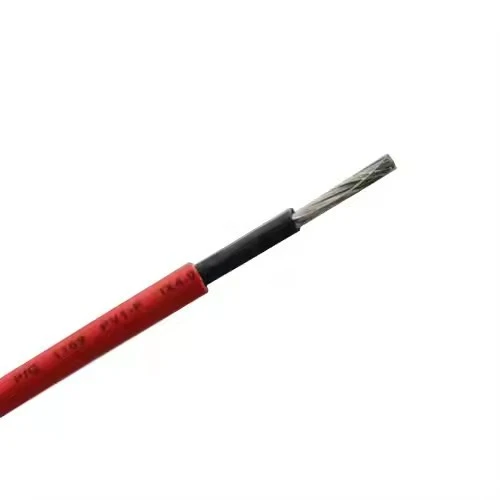
Some of the rubber cables we offer that are suitable for wet environments include the THHN Industrial Building Cable, DC Cable, Silicone Battery Cable, and Best Price H07RN-F Rubber Cable. These cables are designed to withstand the challenges of wet environments and provide reliable performance.
Site Preparation
Before installing the rubber cables, it's crucial to prepare the installation site properly. Here are some steps to follow:
- Inspect the Area: Conduct a thorough inspection of the installation area to identify any potential hazards or obstacles. Look for signs of water leakage, corrosion, or damage to the existing infrastructure.
- Clean the Surface: Clean the surface where the cables will be installed to remove any dirt, debris, or moisture. This will ensure a good connection between the cable and the surface and prevent the growth of mold or mildew.
- Install Cable Supports: Install cable supports such as cable trays, conduits, or hangers to provide a secure and stable path for the cables. Make sure the supports are properly spaced and installed according to the manufacturer's recommendations.
Installation Techniques
Once the site is prepared, it's time to install the rubber cables. Here are some installation techniques to follow:
- Cable Routing: Plan the cable routing carefully to avoid sharp bends, kinks, or loops. Use cable guides or conduits to protect the cables and ensure a smooth installation.
- Termination: Proper termination of the cables is essential to ensure a reliable and safe connection. Follow the manufacturer's instructions for terminating the cables, and use appropriate termination tools and materials.
- Sealing: Seal all cable entry points and connections to prevent water from entering the cables. Use waterproof sealants or gaskets to create a watertight seal.
- Testing: After the cables are installed, conduct a thorough testing to ensure that they are functioning properly. Use a cable tester to check the continuity, insulation resistance, and voltage of the cables.
Maintenance and Inspection
Regular maintenance and inspection of the rubber cables are essential to ensure their long-term performance and safety. Here are some maintenance and inspection tips:
- Visual Inspection: Conduct regular visual inspections of the cables to look for signs of damage, wear, or corrosion. Check the cable insulation, jacket, and connections for any cracks, cuts, or discoloration.
- Cleaning: Clean the cables periodically to remove any dirt, debris, or moisture. Use a mild detergent and a soft cloth to clean the cables, and avoid using abrasive materials or chemicals that could damage the cable insulation.
- Testing: Conduct regular testing of the cables to check their electrical performance. Use a cable tester to check the continuity, insulation resistance, and voltage of the cables.
- Repairs: If any damage or issues are detected during the inspection or testing, repair or replace the cables immediately. Do not attempt to repair the cables yourself unless you have the necessary skills and experience.
Conclusion
Installing rubber cables in a wet environment requires careful planning, proper cable selection, and adherence to specific installation techniques. By following the guidelines outlined in this blog post, you can ensure a safe and reliable installation of rubber cables in a wet environment. As a rubber cable supplier, we are committed to providing high-quality cables and expert advice to help you with your cable installation needs. If you have any questions or need further assistance, please feel free to contact us to discuss your procurement requirements. We look forward to working with you.

References
- Electrical Safety Foundation International. (n.d.). Electrical Safety in Wet Environments. Retrieved from [Website URL]
- National Electrical Code (NEC). (Year). [Code Edition]. [Publisher]
- Manufacturer's Installation Manuals for Rubber Cables.