

As a power cable supplier, one of the most common concerns I encounter from customers is how to determine if a power cable is genuine. In the market flooded with counterfeit products, ensuring the authenticity of power cables is crucial for the safety and efficiency of electrical systems. Here are several key aspects to look at when evaluating the authenticity of power cables.
Packaging and Labels
The first step in identifying a genuine power cable is to examine its packaging and labels. Authentic power cables usually come in high - quality packaging. The packaging should have clear and legible printing, including the product name, specifications, model number, and the manufacturer's information. Any blurry or misspelled text could be a sign of a counterfeit product.
For instance, labels on genuine cables often indicate compliance with relevant safety standards. In Australia, cables such as SAA - approved Earthing Cables 0.6/1KV must meet SAA certification requirements. A genuine cable will prominently display the SAA logo and relevant certification numbers on its label. Counterfeits may lack these marks or use fake ones.
The packaging should also include proper warnings and instructions for installation and use. Missing or inaccurate instructions can be a red flag, as manufacturers of genuine products are committed to ensuring the safe use of their cables and thus provide comprehensive information.
Cable Appearance
The appearance of the cable itself can reveal a lot about its authenticity. High - quality materials are used in genuine power cables. Check the outer sheath of the cable. It should be smooth, with no visible bubbles, cracks, or uneven surfaces. The color of the sheath should be consistent and in line with the standard.
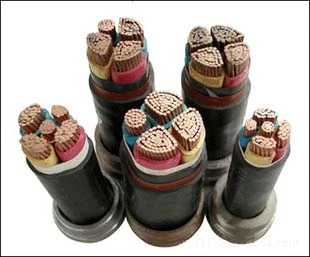
Inspect the conductors inside the cable. In high - quality cables, the conductors are made of pure copper or aluminum. Copper conductors should have a bright, shiny appearance and a uniform diameter. Any signs of oxidation or discoloration can indicate poor quality or improper storage. Additionally, the insulation around the conductors should be thick enough to provide adequate protection. Thinner insulation may not provide sufficient electrical isolation and is often a characteristic of counterfeit cables.
The cable should also have clear markings along its length, indicating important information such as the cable type, voltage rating, and cross - sectional area. These markings should be embossed or printed clearly and permanently. If the markings are easily removable or smudged, it may be a fake product.
Electrical Performance
Electrical performance is a critical indicator of a cable's authenticity. Genuine power cables are designed to meet specific electrical standards. You can test the cable's resistance. According to Ohm's law, the resistance of a cable is proportional to its length and inversely proportional to its cross - sectional area. A cable with a resistance that deviates significantly from the expected value may be a counterfeit.
Another important aspect is the cable's ability to withstand voltage. High - quality cables are tested to ensure they can handle the rated voltage without breaking down. You can use a voltage tester to check if the cable can maintain a stable electrical connection under normal operating voltages. If the cable shows signs of arcing or short - circuiting at lower voltages than its rated voltage, it is likely a fake.
The insulation resistance of the cable is also crucial. A good cable should have high insulation resistance to prevent electrical leakage. You can use an insulation resistance tester to measure the insulation resistance between the conductors and the outer sheath. Low insulation resistance can pose a significant safety hazard, such as electrical shocks and fires.
Manufacturer Reputation
Researching the manufacturer's reputation can be a reliable way to determine the authenticity of a power cable. Reputable manufacturers have a long - standing history of producing high - quality products. They invest in research and development, quality control, and testing to ensure the safety and performance of their cables.
You can look for reviews and testimonials from other customers who have used the manufacturer's products. Industry awards and certifications can also be a sign of a reliable manufacturer. For example, a manufacturer that has received ISO 9001 certification for quality management systems is more likely to produce genuine and reliable power cables.

If possible, contact the manufacturer directly to verify the product's authenticity. Reputable manufacturers usually have customer service departments that can provide detailed information about their products and help you confirm if a cable is genuine.
Cost
While price alone is not a definitive indicator, abnormally low - priced power cables are often counterfeits. Genuine power cables are manufactured using high - quality materials, undergo strict quality control, and meet various safety standards. These factors contribute to the cost of production.
If a cable is being sold at a price significantly lower than the market average, it is likely that quality has been compromised. Counterfeiters may use sub - standard materials and cut corners on manufacturing processes to reduce costs, which can lead to safety risks and poor performance.
However, it's important to note that a high price does not always guarantee authenticity. Some unscrupulous sellers may also charge inflated prices for counterfeit products. Therefore, price should be considered in conjunction with other factors.
In conclusion, detecting the authenticity of a power cable requires a comprehensive evaluation of multiple aspects, including packaging, appearance, electrical performance, manufacturer reputation, and cost. As a power cable supplier, I am committed to providing genuine and high - quality products. If you are in the market for power cables such as XLPE Insulated Underground Cable or PVC Power Cable, I encourage you to reach out to us for more information and to discuss your procurement needs. We are here to ensure that you get the best products for your electrical systems.
References
- National Electrical Code (NEC): Standards for electrical installations and cable requirements
- International Electrotechnical Commission (IEC): Global standards for electrical equipment, including power cables
- Manufacturer's product manuals and technical specifications