

Hey there! As a supplier of multicore cables, I've witnessed firsthand how these cables have evolved over the years. In this blog post, I'll share with you the latest trends in multicore cable performance and features, and how they're shaping the future of the industry.

Performance Improvements
Higher Bandwidth
One of the most significant advancements in multicore cables is the ability to handle higher bandwidths. With the increasing demand for high-speed data transmission in applications such as telecommunications, data centers, and industrial automation, multicore cables need to keep up. Newer cables are designed with improved insulation materials and conductor designs that reduce signal loss and interference, allowing for faster and more reliable data transfer. For example, some of our Thhn Cable丨Manufacturer in China are capable of supporting gigabit and even multi-gigabit Ethernet speeds, making them ideal for high-performance networking environments.
Better Signal Integrity
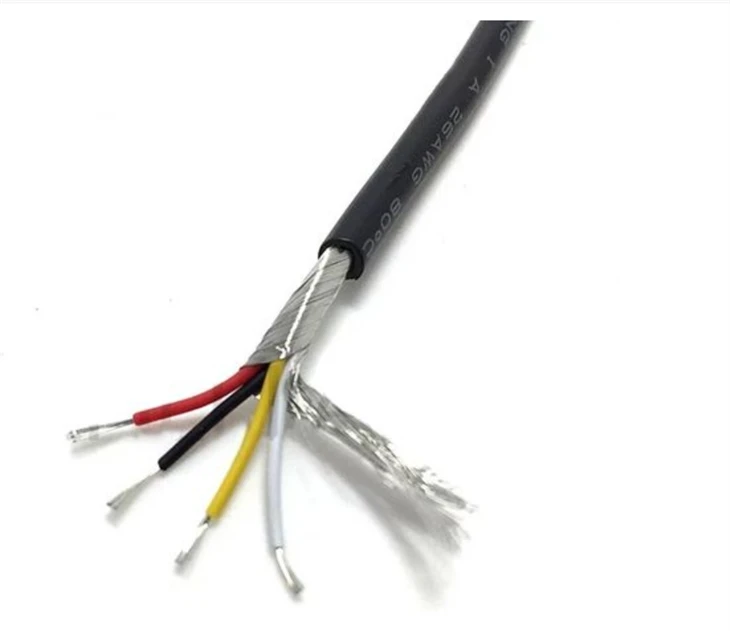
Signal integrity is crucial in multicore cables, especially in applications where data accuracy is paramount. Over the years, cable manufacturers have developed new techniques to improve signal integrity, such as using shielded conductors and advanced insulation materials. Shielding helps to protect the cable from electromagnetic interference (EMI) and radio frequency interference (RFI), which can degrade the signal quality. Our Multi-conductor, Shielded Cable is a great example of this. The shielding provides an extra layer of protection, ensuring that the signals transmitted through the cable remain clear and accurate.
Enhanced Power Handling
In addition to data transmission, multicore cables are also used for power distribution in many applications. As the power requirements of electronic devices continue to increase, cables need to be able to handle higher currents without overheating or causing safety hazards. Modern multicore cables are designed with larger conductors and better insulation materials to improve power handling capabilities. For instance, our 4 Core 22 Awg Aluminum Foil Shielded Multi-conductor Cable is capable of carrying higher currents while maintaining a low resistance, which helps to reduce power losses and improve energy efficiency.
Feature Enhancements
Miniaturization
With the trend towards smaller and more compact electronic devices, there is a growing demand for multicore cables that are smaller in size without sacrificing performance. Cable manufacturers have responded to this demand by developing new manufacturing techniques and materials that allow for the production of thinner and more flexible cables. Miniaturized multicore cables are not only easier to install in tight spaces but also reduce the overall weight and volume of the system, which is important in applications such as aerospace and automotive.
Flexibility and Bend Radius
Flexibility is another important feature of multicore cables, especially in applications where the cable needs to be bent or routed around obstacles. Newer cables are designed with more flexible conductors and insulation materials, which allow for a smaller bend radius without causing damage to the cable. This makes them easier to install and use in a variety of environments. For example, our flexible multicore cables can be bent and twisted without losing their electrical properties, making them ideal for applications such as robotics and automation.
Environmental Resistance
Multicore cables are often used in harsh environments where they are exposed to extreme temperatures, moisture, chemicals, and other environmental factors. To ensure reliable performance in these conditions, cables need to be resistant to these elements. Cable manufacturers have developed new materials and coatings that provide excellent environmental resistance. For example, some of our cables are designed to be waterproof, flame-retardant, and resistant to UV radiation, making them suitable for outdoor and industrial applications.
The Future of Multicore Cables
Looking ahead, the future of multicore cables looks bright. With the continuous advancement of technology, we can expect to see even more improvements in performance and features. Here are some of the trends that I think will shape the future of multicore cables:
Integration of Smart Features
As the Internet of Things (IoT) continues to grow, there will be a need for multicore cables that can support smart features such as sensor integration, data analytics, and remote monitoring. Smart cables will be able to collect and transmit data about their own performance, such as temperature, voltage, and current, which can be used to detect and prevent potential problems before they occur.
Higher Speeds and Bandwidths
The demand for higher speeds and bandwidths will only continue to increase in the future. Cable manufacturers will need to develop new technologies and materials to meet this demand. For example, we may see the development of cables that are capable of supporting terabit Ethernet speeds, which will be essential for applications such as 5G networks and high-performance computing.
Sustainable and Eco-Friendly Solutions
With the growing concern for the environment, there will be a greater emphasis on developing sustainable and eco-friendly multicore cables. This may include using recycled materials, reducing energy consumption during the manufacturing process, and designing cables that are easier to recycle at the end of their life cycle.
Conclusion
In conclusion, multicore cables have come a long way in terms of performance and features. From higher bandwidths and better signal integrity to miniaturization and environmental resistance, these cables are constantly evolving to meet the changing needs of the industry. As a supplier of multicore cables, I'm excited to be part of this evolution and to provide our customers with the latest and greatest in cable technology.
If you're in the market for high-quality multicore cables, I encourage you to get in touch with us. We have a wide range of cables to choose from, and our team of experts can help you find the right cable for your specific application. Whether you need a cable for a small project or a large-scale installation, we've got you covered. So, don't hesitate to reach out and start a conversation about your cable needs.
References
- IEEE Standards Association. (2023). IEEE Standards for Ethernet.
- International Electrotechnical Commission (IEC). (2023). IEC Standards for Multicore Cables.
- Cable Manufacturers Association International (CMAI). (2023). Industry Trends in Multicore Cable Technology.